
Etykiety
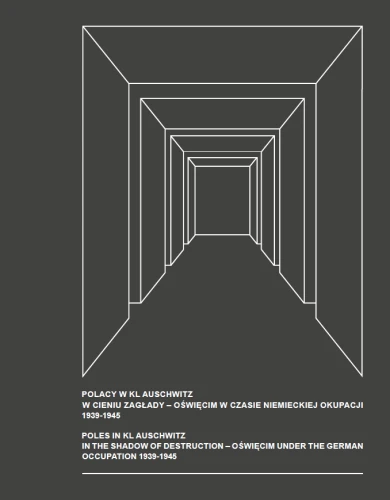
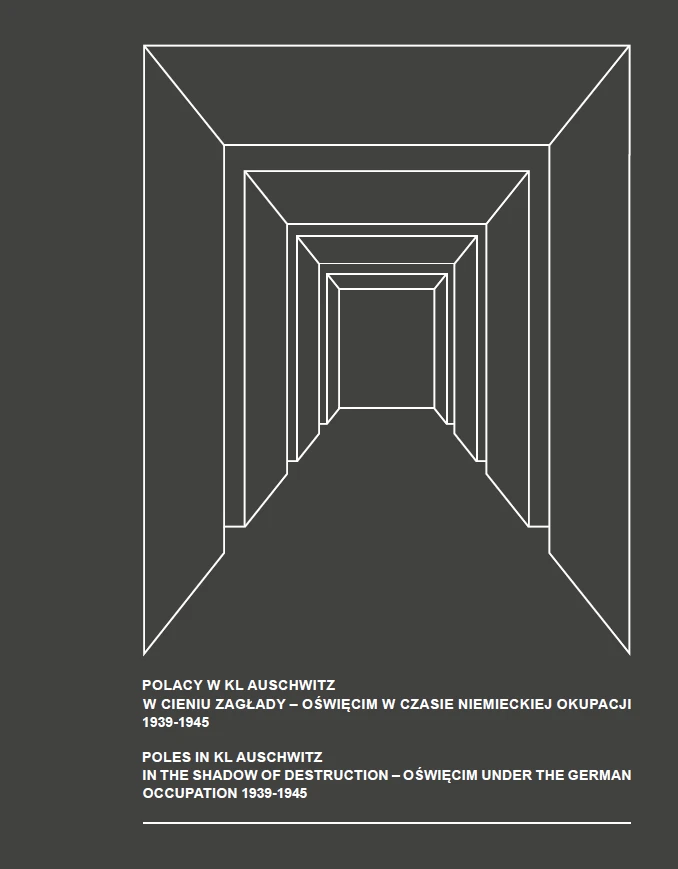
Katalog - Polacy w KL Auschwitz w cieniu zagłady - Oświęcim w czasie niemieckiej okupacji 1939-1945 / Poles in KL Auschwitz in the shadow of destruction - Oświęcim under the german occupation 1939-1945
Koszty dostawy wybranego produktu
Cena dostawy dotyczy tego produktu (w wybranym wariancie - jeśli dotyczy). Może się ona zmienić po dodaniu innych produktów do koszyka.
Udostępnianie karty produktu




Zapytaj o publikację
Administratorem danych osobowych jest Księgarnia Państwowego Muzeum Auschwitz-Birkenau. Przetwarzamy je w celu przesłania odpowiedzi na zapytanie. Więcej informacji dotyczących przetwarzania danych osobowych znajduje się w polityce prywatności.
Opis publikacji
Katalog towarzyszący nowej polskiej wystawie narodowej, eksponowanej w bloku nr 15 na terenie byłego obozu Auschwitz I, odzwierciedla trasę jej zwiedzania. Jego celem jest syntetyczne, a zarazem pogłębione przedstawienie doświadczenia Polaków w czasie II wojny światowej – od kontekstu agresji i okupacji, przez deportacje do KL Auschwitz i realia funkcjonowania obozu, aż po los mieszkańców Oświęcimia oraz formy oporu i pomocy niesionej więźniom. Publikacja pełni funkcję przewodnika po ekspozycji, ale zarazem i samodzielnego kompendium, które porządkuje najważniejsze wątki i ułatwia dalszą refleksję po zwiedzaniu.
Narracja publikacji w zwięzły sposób ukazuje agresję i politykę III Rzeszy wobec Polski, terror wymierzony w społeczeństwo i elity, przymusowe roboty oraz narastające prześladowania Żydów prowadzące od utworzenia gett aż do Zagłady. Opowiada o powstaniu obozu Auschwitz – od pierwszego transportu polskich więźniów politycznych 14 czerwca 1940 roku, przez masowe deportacje polskich Żydów od 1942 roku oraz Romów rok później, aż po zmianę funkcji obozu w ostatnich latach wojny, ewakuacje i Marsze Śmierci. Istotną część katalog poświęca również samemu miastu Oświęcim – jego wcieleniu do Rzeszy, procesowi germanizacji i planom przebudowy, masowym wysiedleniom Polaków, deportacji miejscowych Żydów oraz roli koncernu I.G. Farben i obozu Monowitz, które uczyniły z okolicy wieloetniczny teren pracy przymusowej.
Osobny wątek poświęcony jest lokalnemu ruchowi oporu i pomocy niesionej więźniom – z naciskiem na działalność kobiet, które indywidualnie lub w grupach, z wielkim poświęceniem i narażeniem życia, starały się przemycać żywność i lekarstwa, a także pośredniczyć w korespondencji między więźniami a ich bliskimi.
Katalog – wraz z wystawą – zaprasza do spokojnej lektury i namysłu. Porządkuje fakty, przywraca imiona i kontekst, a przede wszystkim uświadamia, że historia Auschwitz to nie tylko dzieje obozu, lecz również losy społeczeństwa, miasta i ludzi, którzy – na różne sposoby – znaleźli się w jego cieniu.
The catalogue accompanying the new Polish national exhibition, presented in Block15 on the grounds of the former Auschwitz I camp, mirrors the route of the exhibition tour. Its aim is to provide both a synthetic and in-depth presentation of the Polish experience during the Second World War – from the context of aggression and occupation, through deportations to KL Auschwitz and the realities of camp life, to the fate of the inhabitants of Oświęcim as well as the forms of resistance and aid extended to prisoners.
The publication serves as a guide to the exhibition, but also as a standalone compendium that organizes the most important themes and facilitates further reflection after the visit. The narrative of the publication concisely presents the aggression and policies of the Third Reich towards Poland, the terror directed at society and the elites, forced labor, and the escalating persecution of Jews, leading from the creation of ghettos to the Holocaust. It recounts the story of the establishment of the Auschwitz camp – from the first transport of Polish political prisoners on June 14, 1940, through the mass deportations of Polish Jews from 1942 and Roma a year later, to the transformation of the camp’s function in the final years of the war, evacuations, and Death Marches. A significant part of the catalogue is also devoted to the town of Oświęcim itself – its incorporation into the Reich, the process of Germanization and reconstruction plans, the mass expulsions of Poles, the deportation of local Jews, and the role of the I.G. Farben concern and the Monowitz camp, which turned the area into a multi-ethnic forced labor zone.
A separate thread is dedicated to the local resistance movement and the aid provided to prisoners – with particular emphasis on the activities of women who, individually or in groups, with great sacrifice and at the risk of their lives, sought to smuggle food and medicine, as well as mediate correspondence between prisoners and their loved ones. Together with the exhibition, the catalogue invites calm reading and reflection. It organizes facts, restores names and context, and above all makes one aware that the history of Auschwitz is not only the history of the camp, but also the fate of the community, the town of Oświęcim and the wider region, and the people who – in various ways – found themselves in its shadow.
Cechy publikacji
- ISBN 978-83-7704-414-8
- Rok pierwszego wydania 2025
- Język wydania polski
- Forma książka
- Wersja polsko-angielska
- Liczba stron 98
- Okładka miękka
Publikacje powiązane
-
Cena 30,00 zł
-
Cena 45,00 zł
-
Cena 80,00 zł
-
Cena 5,00 zł
-
Cena 15,00 zł